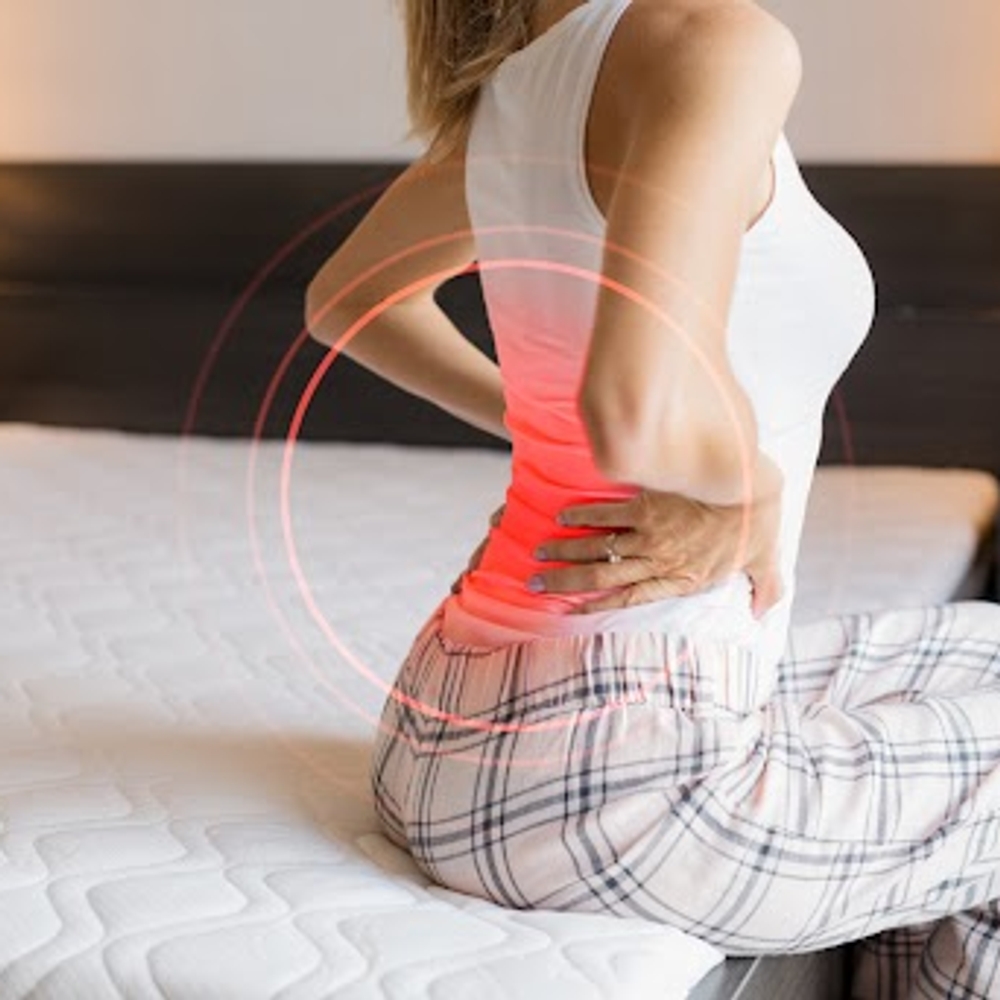
If you are one of the millions of people waking up with a stiff lower back, your first instinct might be to buy the hardest, firmest mattress available. For decades, doctors and furniture salesmen alike have repeated the mantra: "firm is best for a bad back."
If you are one of the millions of people waking up with a stiff lower back, your first instinct might be to buy the hardest, firmest mattress available. For decades, doctors and furniture salesmen alike have repeated the mantra: "firm is best for a bad back."
However, modern sleep science suggests we have been getting it wrong.
Recent studies and expert consensus have shifted the recommendation away from board-like surfaces toward a more balanced approach. If you are in the market for a new mattress to alleviate back pain, here is what you need to know before you buy.
1. The "Goldilocks" Zone: Why Medium-Firm Wins
The old wisdom was that a hard mattress forces the spine into alignment. In reality, a mattress that is too firm effectively pushes against your pressure points (hips and shoulders), forcing your spine to curve unnaturally to bridge the gap between your body and the bed.
Conversely, a mattress that is too soft acts like a hammock, causing your hips to sink and your spine to bow.
The Solution: Research consistently points to medium-firm as the ideal tension for back pain sufferers. A medium-firm mattress offers enough "give" to cushion the hips and shoulders while providing enough "push back" to keep the lower back supported.
2. Match the Material to Your Movement
Not all "medium-firm" mattresses feel the same. The material you choose affects how your back is supported throughout the night.
- Memory Foam: Excellent for pressure relief. It moulds to your curves, which is great for keeping the spine neutral. However, if you toss and turn, the "sinking" feeling can make it hard to change positions, potentially straining your back muscles.
- Hybrid Mattresses: These are increasingly popular for back pain. They combine the contouring comfort of foam layers on top with the responsive support of pocket springs underneath. This offers the best of both worlds: pressure relief and ease of movement.
- Latex: A natural alternative that is bouncier than memory foam. It is excellent for keeping the spine aligned without the heat retention or "stuck" feeling of traditional foam.
3. Your Sleep Position Dictates Your Needs
Your dominant sleeping position is the final variable in the equation.
- Side Sleepers: You need slightly more cushioning. If the mattress is too hard, your shoulder won't sink in, throwing your upper spine out of alignment. Look for a "Medium" feel.
- Back Sleepers: You are the ideal candidate for "Medium-Firm." You need support under the lumbar curve (lower back) to prevent it from collapsing.
- Stomach Sleepers: This is the toughest position for back health. You need a "Firm" surface to prevent your hips from sinking, which would hyperextend your lower back.
The Bottom Line: Try Before You Commit
No amount of reading can replace the 15-minute nap test. When shopping, lie in your normal sleep position for at least 10 to 15 minutes. Better yet, look for online retailers that offer 100-night sleep trials. It often takes the body a month to adjust to a new sleep surface, so a risk-free trial is the only way to be sure you have made the right choice.
Don't let an old mattress dictate your daily pain levels. Upgrade your sleep, and you just might upgrade your spine health, too. Shop DS Living mattress range here
Written by
DS Living Team